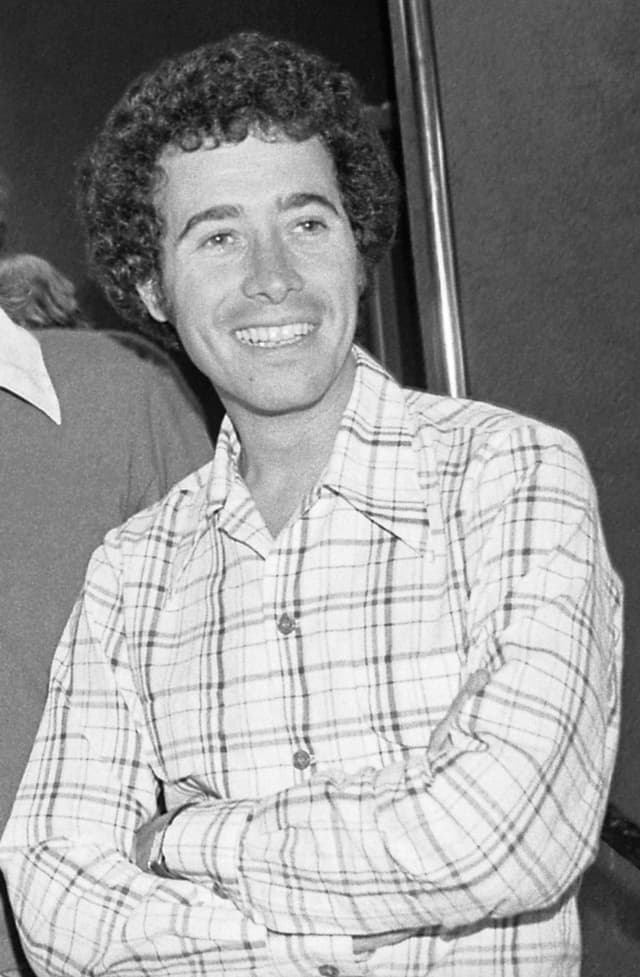
David Geffen
Geffen Records, DreamWorks
A pioneer in the media and entertainment industry, David Geffen co-founded Geffen Records in 1980, playing a crucial role in launching the careers of iconic artists such as Nirvana and Guns N' Roses. He later co-founded DreamWorks SKG in 1994, which revolutionized the film industry and produced hits like "Saving Private Ryan" and "Shrek." Known for his strategic mindset, Geffen embraced opportunities as stepping stones, leveraging low overhead to maximize profitability. His unique approach to business, grounded in integrity, allows him to maintain a clear conscience, as he famously stated, "I don't have the burden of bullshit and lies and deceit." Today, entrepreneurs can learn from Geffen's ability to adapt, study successful figures, and prioritize cost management to build sustainable ventures.
Core Principles
finance
Publishing rights and ownership of intellectual property streams create long-term wealth that exceeds transaction-based fees.
Geffen recognized that music publishers made far more money than touring agents because they collected royalties repeatedly as songs were reused. He pushed artists into publishing deals and was early to see ownership of catalogs as the real wealth generator in music.
Cap your downside while leaving your upside unlimited. Structure deals so you cannot lose but can win big.
When negotiating with Warner, Geffen insisted on 50-50 profit splits while Warner covered all losses. This became his template. Later, when acquiring Geffen Records, he extracted Warner's half of the company for free, then sold the whole company to another buyer for $550 million.
“For Geffen, who said his own net worth had now grown to $30 million, there was zero downside. If the plays and musicals he picked were losers, Warner would shoulder 100% of the losses.”
leadership
Aggressive relationship-building through flattery and access can accelerate career progress, but it creates transactional, not authentic, connections.
Geffen deliberately arrived early on Saturdays to encounter the president of William Morris, stalked him until getting his attention, then built a relationship through reverential behavior. This opened doors rapidly, but the relationships were entirely transactional and burned easily when Geffen moved on.
mindset
Money solves money problems but does not solve unhappiness, lack of meaning, or relational dysfunction.
At 30 years old with $12 million in net worth, Geffen fell into deep depression, realizing his lifelong pursuit of millions had not solved his internal problems. He remained unsettled and unhappy despite extraordinary financial success, showing that wealth alone cannot generate contentment.
operations
Watch your costs obsessively. Low overhead is a fundamental advantage that multiplies profitability and survival odds.
Geffen's mother was a master at keeping costs low by negotiating hard with suppliers and monitoring every expense. Geffen applied this lesson throughout his career, avoiding the fatal mistakes other record label founders made by spending lavishly. His cost discipline gave him structural advantages competitors lacked.
“He well understood the delicate balance between profit and loss can be upset if expenses are high.”
strategy
Never accept permanent placement when you can use an opportunity as a stepping stone. Treat every position as a launching pad for the next level.
Geffen never intended to stay in the mailroom. He used it to build relationships and knowledge. When offered agent positions, he saw them as paths to starting his own label. He constantly moved to the next rung, never becoming comfortable in any role.
Create structural advantages by owning multiple revenue streams in a business. Control both sides of the transaction when possible.
Geffen recognized that owning both a record label and management company created synergy. Management earned from touring while records earned from publishing. This allowed him to cross-subsidize operations and control how artists were promoted across both channels.
Pursue industries and opportunities that align with where the money flows, not where your passion lies, if wealth is your primary goal.
Geffen loved Broadway and film but chose the music business because a mentor told him young artists would sign with him there, not in film. He sacrificed his genuine passion for faster wealth accumulation, building a hugely successful music empire but spending decades working on something he did not love.
Know your industry's cultural norms and operate within them or face failure. Speed that works in one industry can be a liability in another.
Geffen succeeded in the fast-moving music business where quick decisions and brutal honesty worked. In Hollywood film, the slow, diplomatic approach required defeated him. After 11 months at Warner Brothers, he was fired because his aggressive style clashed with movie industry norms.
Study people who have succeeded in domains you want to enter, then adjust their approach to your circumstances.
Geffen studied Clive Davis running Columbia Records and became confident he could build a record label. He observed Louis B. Mayer's career and made that his target model for Hollywood power. Rather than inventing from scratch, he learned from predecessors then adapted their playbooks.
Frameworks
The Downside Cap Structure
Structuring deals so you bear zero downside risk while maintaining upside participation. You contribute ideas and decision-making, the larger party contributes capital and absorbs losses, profits are split equally or favorably to you. This requires significant negotiating power and clarity about your leverage.
Use case: Entering new ventures, partnerships, or markets when you lack capital but possess expertise or relationships. Particularly effective when larger institutions are eager to access your skills and cannot easily replace you.
The Stepping Stone Method
Treat every position, especially early-stage roles, as a launchpad to the next opportunity rather than a destination. Use the access, knowledge, and relationships available in your current role to engineer advancement. Work harder than others to become indispensable, then leverage that position to negotiate the next move.
Use case: Accelerating career progress from low positions. Most effective in industries with clear hierarchies where mentors and gatekeepers exist and can be influenced through demonstrated excellence and relationship-building.
Stories
As a young agent at William Morris, Geffen lied on his application about graduating from UCLA and being Phil Spector's cousin to get hired. When he discovered a UCLA confirmation letter would arrive, he came in an hour early every day for four months and forged the letter. The president attributed this early arrival to ambition when it was actually terror of being exposed.
Lesson: Resourcefulness and persistence can solve self-created problems, but living under constant fear and deception exacts a psychological toll. A better approach is building competence and relationships so you do not need to lie to advance.
Geffen walked Jackson Brown out of a meeting with Clive Davis because he thought Davis was being rude by taking a phone call. Geffen told Brown they would take the artist to Atlantic Records instead. Ahmet Ertegun, impressed by Geffen's confidence and pitch, offered to fund Geffen's own record label with Atlantic covering all costs and splitting profits equally.
Lesson: Turning a perceived slight into opportunity through bold action can change your trajectory. Geffen's impulsiveness created the moment that launched his own company, though his underlying motivation was ego rather than strategy.
Geffen told Clint Eastwood that his film The Outlaw Josey Wales would be better 20 minutes shorter. Eastwood calmly replied that he would be making his next film at Paramount, not Warner. Geffen immediately recanted, saying the picture was perfect. This marked Geffen's realization that his blunt, direct style worked in music but failed in Hollywood.
Lesson: Different industries have different operating cultures. Strengths that make you successful in one domain can be fatal liabilities in another. Understand and respect those cultural differences or face failure.
David's mother Batya escaped the Holocaust while her entire family was killed in a massacre at Bab Yar. She never told David about this trauma, hiding her breakdown and recovery until after her death. Despite this grief, she remained a relentless entrepreneur and instilled in David the belief that he could achieve anything through hard work.
Lesson: Unprocessed trauma and hidden pain can transmit across generations in the form of obsessive drive and inability to find contentment. The resilience Geffen inherited from his mother also came with her inability to process loss and move toward peace.
Notable Quotes
“I don't have the burden of bullshit and lies and deceit and cheating. None of that plagues me because I don't do any of it. I think I'm unique in this business. I can sleep at night.”
Claiming he has no moral burden while simultaneously engaging in constant deception, betrayal, and manipulation, revealing classic sociopathic reasoning.
“If Larry represents the owner and you want it, you've got to buy it from him.”
Explaining how Gagosian's position as intermediary gave him pricing power
“I've never overpaid for anything. For me, they've been incredibly good investments.”
Crediting Gagosian with helping him assemble an art collection that became a core source of wealth
Frequently Asked Questions
What are David Geffen's key business principles?▼
David Geffen's core principles include: Publishing rights and ownership of intellectual property streams create long-term wealth that exceeds transaction-based fees.. Cap your downside while leaving your upside unlimited. Structure deals so you cannot lose but can win big.. Aggressive relationship-building through flattery and access can accelerate career progress, but it creates transactional, not authentic, connections.. Founder Almanac has cataloged 10 total principles from David's career.
What can entrepreneurs learn from David Geffen?▼
Key lessons from David Geffen include: Resourcefulness and persistence can solve self-created problems, but living under constant fear and deception exacts a psychological toll. A better approach is building competence and relationships so you do not need to lie to advance.. Explore 4 stories and 2 frameworks from David's experience.
What is David Geffen known for in business?▼
A pioneer in the media and entertainment industry, David Geffen co-founded Geffen Records in 1980, playing a crucial role in launching the careers of iconic artists such as Nirvana and Guns N' Roses. He later co-founded DreamWorks SKG in 1994, which revolutionized the film industry and produced hits like "Saving Private Ryan" and "Shrek." Known for his strategic mindset, Geffen embraced opportunities as stepping stones, leveraging low overhead to maximize profitability. His unique approach to business, grounded in integrity, allows him to maintain a clear conscience, as he famously stated, "I don't have the burden of bullshit and lies and deceit." Today, entrepreneurs can learn from Geffen's ability to adapt, study successful figures, and prioritize cost management to build sustainable ventures.
More Media & Entertainment Founders





Want David's advice on your business?
Our AI has studied David Geffen's biography, principles, and decision-making frameworks. Ask any business question.
Start a conversation