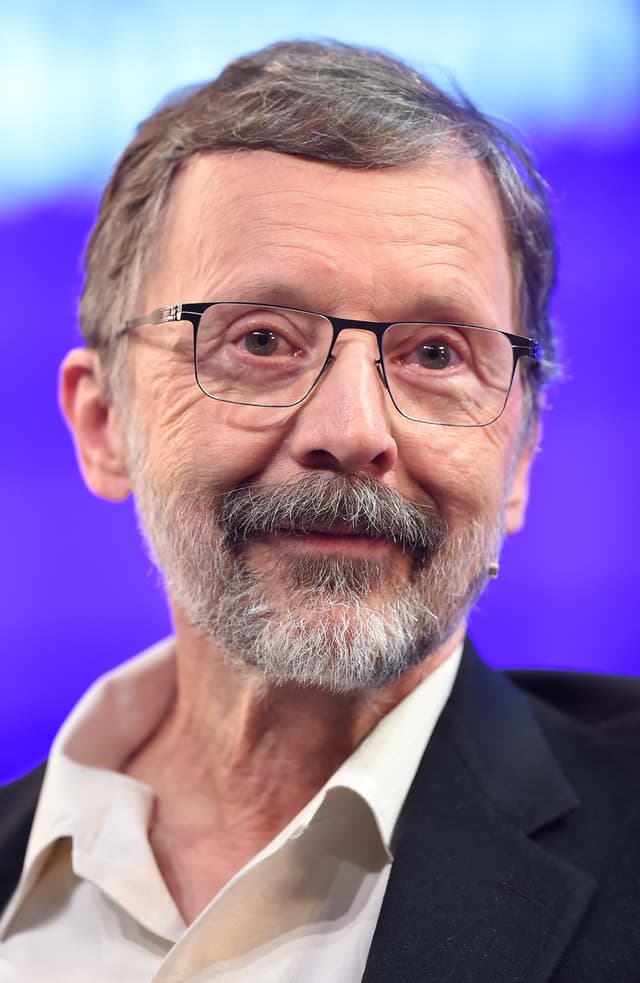
Ed Catmull
Pixar
A pioneering figure in computer animation, Ed Catmull co-founded Pixar and led the company through its transformative years, resulting in groundbreaking films like "Toy Story," which was the first-ever feature-length computer-animated film released in 1995. Catmull emphasized leveraging structural advantages unique to computer animation, as he believed that competing on established players' terms, such as live-action films, would not capitalize on Pixar's strengths. His innovative leadership and focus on creativity propelled Pixar to achieve a remarkable box office gross of over $11 billion globally, demonstrating his belief that "the future is not a destination; it is a direction." Entrepreneurs today can draw inspiration from Catmull's strategic insights and commitment to innovation in navigating competitive landscapes.
Core Principles
competitive advantage
Do not compete on the basis of what established players do well. Instead, compete on dimensions where you have structural advantages they cannot easily replicate.
When considering whether Pixar should enter live-action filmmaking like Disney, Ed Catmull explained that computer animation offered advantages that live-action did not: the ability to iterate on story and character endlessly before shooting, flexibility to make changes after filming, and more control over quality outcomes. Live-action films are locked into footage once shot. Steve recognized this meant Pixar had higher odds of consistent success in animation than other studios would have in live-action, so they chose to double down on their structural advantage.
“In animation, there is much control. We iterate on the story over and over again through storyboards, character modeling, and animation tests. If the story or character isn't working, we can change it. Live action doesn't offer that flexibility. Once the film has been shot, you're locked into using the footage you have.”
Stories
When considering whether Pixar should make live-action films to diversify like Disney had, Ed Catmull explained that computer animation offered structural advantages live-action could not replicate. In animation, you iterate endlessly on story and character before final production. In live-action, once you've shot footage, you're locked into using it. This means animation has higher odds of consistent success.
Lesson: Competitive advantage comes from structural factors that are hard to replicate, not from effort or resources. When you have a structural advantage, doubling down on it is often better than diversifying into areas where you have no advantage. Disney's diversification was necessary for them, but it is not necessary for Pixar.
Notable Quotes
“The future is not a destination it is a direction.”
Catmull uses this to describe his ongoing approach to leadership and building Pixar. He emphasizes that the work of building a sustainable creative culture is never finished; it's a direction to keep moving in.
“The important thing is to slog diligently through this quagmire of discouragement and despair. Put on some audio commentary and listen to the stories of professionals who've been making films for decades going through the same slings and arrows of outrageous production problems. In a word, persist.”
Catmull opens his book with this letter from an animator describing the reality that creative work is 3% inspiration and 97% frustration. The message resonates with his broader philosophy about persistence through difficulty.
“Unleashing creativity requires that we loosen the controls, accept risk, trust our colleagues, work to clear the path for them, and pay attention to anything that creates fear. Doing all of these things won't necessarily make the job of managing a creative culture easier, but ease isn't the goal. Excellence is.”
Catmull states this near the end of the book as a summary of principles he's developed over 26 years at Pixar. It's a contradiction to conventional management wisdom but essential for innovation.
“If you give a good idea to a mediocre team they will screw it up. If you give a mediocre idea to a brilliant team, they will either fix it or throw it away and come up with something better.”
Catmull uses this principle to explain why hiring and team chemistry matter more than individual idea quality. This became a foundational principle after his experience with Toy Story's development.
“People who take on complicated creative projects become lost at some point in the process. Every single entrepreneur knows that feeling. The experience is overwhelming.”
Catmull is explaining why the brain trust mechanism is essential. All creators, no matter how skilled, lose perspective when deeply embedded in their work and need external, candid feedback to find their way.
“Candor could not be more crucial to our creative process. Why? Because early on, all of our movies suck.”
Catmull uses blunt language intentionally to convey that Pixar films start terribly and require brutal honesty to improve. This establishes candor as non-negotiable for quality.
“Getting the team right is the necessary precursor to getting the ideas right.”
Catmull's distillation of his core management principle. He argues that focusing on team performance and chemistry is more fundamental than chasing the best individual talents.
“Ideas come from people. Therefore, people are more important than ideas.”
Catmull often poses the question 'which is more valuable: good ideas or good people?' to audiences. Only one person in years of talks chose the correct answer: that it's a false dichotomy because ideas require people.
“I would devote myself to learning how to build not just a successful company, but a sustainable creative culture.”
After achieving his lifetime goal of making Toy Story, Catmull identified his next organizing principle: understanding how to create and protect creative excellence sustainably. This became the reason for writing Creativity Inc.
“The new needs friends.”
Catmull includes this quote from a Ratatouille speech as his philosophy for how to treat nascent ideas and new creators. The world is unkind to the new, so leaders must actively defend it.
Frequently Asked Questions
What are Ed Catmull's key business principles?▼
Ed Catmull's core principles include: Do not compete on the basis of what established players do well. Instead, compete on dimensions where you have structural advantages they cannot easily replicate.. Founder Almanac has cataloged 1 total principles from Ed's career.
What can entrepreneurs learn from Ed Catmull?▼
Key lessons from Ed Catmull include: Competitive advantage comes from structural factors that are hard to replicate, not from effort or resources. When you have a structural advantage, doubling down on it is often better than diversifying into areas where you have no advantage. Disney's diversification was necessary for them, but it is not necessary for Pixar.. Explore 1 stories and 0 frameworks from Ed's experience.
What is Ed Catmull known for in business?▼
A pioneering figure in computer animation, Ed Catmull co-founded Pixar and led the company through its transformative years, resulting in groundbreaking films like "Toy Story," which was the first-ever feature-length computer-animated film released in 1995. Catmull emphasized leveraging structural advantages unique to computer animation, as he believed that competing on established players' terms, such as live-action films, would not capitalize on Pixar's strengths. His innovative leadership and focus on creativity propelled Pixar to achieve a remarkable box office gross of over $11 billion globally, demonstrating his belief that "the future is not a destination; it is a direction." Entrepreneurs today can draw inspiration from Catmull's strategic insights and commitment to innovation in navigating competitive landscapes.
More Media & Entertainment Founders





Want Ed's advice on your business?
Our AI has studied Ed Catmull's biography, principles, and decision-making frameworks. Ask any business question.
Start a conversation