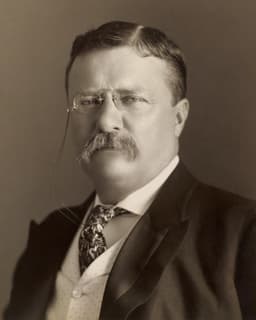
William Walker
President of Nicaragua
A controversial figure in 19th-century Central America, William Walker led military expeditions in Nicaragua and served as its president during a tumultuous period. Demonstrating audacious leadership, he famously refused to board a ship for reinforcements due to a perceived slight by a captain, opting instead to banish the officer even while outnumbered 4,000 to 900. Walker's unwavering resolve and command style are encapsulated in his quote, "Walker never took advice, but always gave commands and they must be obeyed." His relentless ambition and bold decision-making serve as a case study for entrepreneurs today, illustrating the complexities of leadership and the impact of individual choices in challenging situations.
Stories
Walker refused to board a ship to join reinforcements because a captain had committed an act he deemed improper. Walker banished the officer despite being surrounded by 4,000 enemies with only 900 troops remaining. He maintained principle while his military situation was collapsing.
Lesson: Unwillingness to compromise principles in the face of existential threats is a form of weakness masquerading as strength. A leader must distinguish between ethical lines and ego-driven rules.
Walker invaded Nicaragua three times attempting to become president. The first time he was militarily defeated by allied armies financed by Vanderbilt. The second time, US Navy Captain Paulding violated rules of engagement to capture him on Nicaraguan soil. The third time, British forces captured him and handed him to Honduran authorities who executed him on a beach.
Lesson: An opponent who believes the rules written on paper will protect him will eventually encounter someone who does not respect those rules. Reliance on law as your primary defense is a vulnerability.
William Walker dismissed one of his best military captains during wartime because the captain broke Walker's rules, despite being surrounded by 4,000 enemy troops. Walker believed in strict adherence to principle even when it cost him critical resources in a life-or-death conflict.
Lesson: Rigid adherence to principle during existential conflict leads to defeat. In war, you must retain every asset and ally, even if they occasionally break protocol. Perfect order loses to ruthless pragmatism.
Notable Quotes
“Walker never took advice, but always gave commands and they must be obeyed.”
Description of Walker's personality and unwillingness to learn from others
Frequently Asked Questions
What are William Walker's key business principles?▼
Founder Almanac has cataloged 0 principles from William Walker's career at President of Nicaragua.
What can entrepreneurs learn from William Walker?▼
Key lessons from William Walker include: Unwillingness to compromise principles in the face of existential threats is a form of weakness masquerading as strength. A leader must distinguish between ethical lines and ego-driven rules.. Explore 3 stories and 0 frameworks from William's experience.
What is William Walker known for in business?▼
A controversial figure in 19th-century Central America, William Walker led military expeditions in Nicaragua and served as its president during a tumultuous period. Demonstrating audacious leadership, he famously refused to board a ship for reinforcements due to a perceived slight by a captain, opting instead to banish the officer even while outnumbered 4,000 to 900. Walker's unwavering resolve and command style are encapsulated in his quote, "Walker never took advice, but always gave commands and they must be obeyed." His relentless ambition and bold decision-making serve as a case study for entrepreneurs today, illustrating the complexities of leadership and the impact of individual choices in challenging situations.
More Military & Government Founders
Want William's advice on your business?
Our AI has studied William Walker's biography, principles, and decision-making frameworks. Ask any business question.
Start a conversation