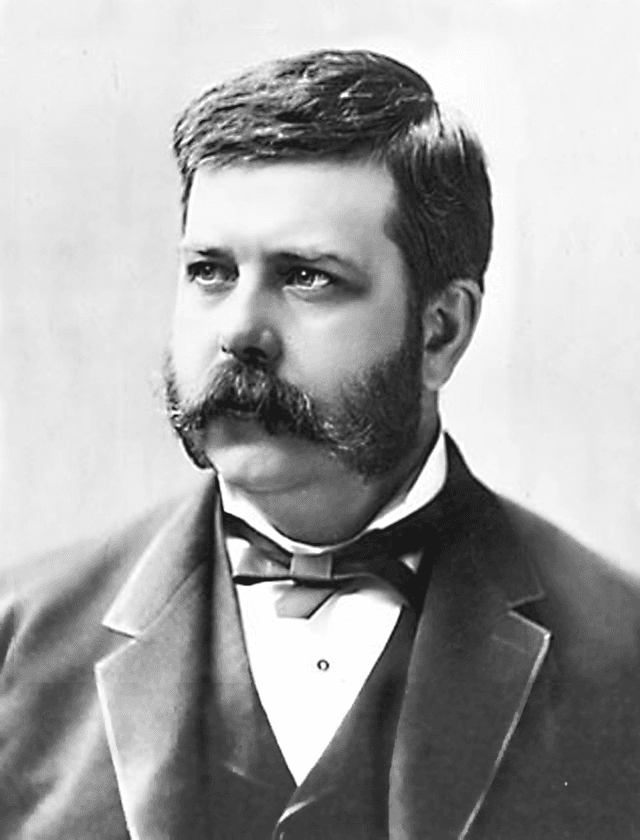
George Westinghouse
Westinghouse Electric Company
A pioneering figure in the Oil and Energy industry, George Westinghouse founded the Westinghouse Electric Company in the late 19th century, which played a crucial role in the development of alternating current (AC) electrical systems. His innovative approach emphasized acquiring ideas from others and enhancing them, enabling Westinghouse to secure over 350 patents throughout his career. One notable achievement was the successful implementation of AC power transmission, which revolutionized the electrical industry and allowed for long-distance power distribution. Westinghouse fiercely protected his intellectual property, ensuring that his company maintained control over manufacturing processes and profit margins, principles that continue to resonate with today’s entrepreneurs and business leaders. His belief in the value of practical experience, as expressed in his quote about the skills acquired through hands-on work, underscores the importance of real-world knowledge in building successful enterprises.
Core Principles
innovation
Acquire better ideas from others and improve them in your own operations. Integration of external innovations with your own improvements creates competitive advantage over pure internal development.
Westinghouse had long experience purchasing inventors' patents and improving them in his shops. Unlike Edison, who only used his own patented work, Westinghouse's M.O. was to identify promising patents and combine them with his own innovations. This approach allowed faster progress and broader capabilities.
leadership
When you believe deeply in a technology, maintain conviction despite opposition even from within your own organization. Personal will and unrelenting belief can overcome organizational resistance.
Westinghouse faced opposition to the AC transformer from his own electrical department. His engineers, trained in direct current, doubted the breakthrough. Only Westinghouse's personal will and unrelenting belief in AC overcame internal resistance. He forced the company to pursue a path even his own team initially rejected.
“It was only Mr. George Westinghouse's personal will that put it through. No one besides Westinghouse understood the tremendous breakthrough represented by the AC transformer.”
Lead by example and share in the difficult work of your employees. A leader who rolls up their sleeves to help sets a powerful unspoken lesson about shared purpose.
When an employee struggled to move equipment via wheelbarrow and it fell into mud, Westinghouse appeared in his formal coat and hat, removed his gloves, lifted the wheelbarrow, said nothing, and walked away. The employee later reflected that this single act impressed upon him that they were all working together from top to bottom.
Build large corporations that are major employers and pay living wages above market rates. Business success should be measured partly by the opportunity you create for others to earn through their own efforts.
Westinghouse stated his ambition was to give as many people as possible the opportunity to earn money through their own efforts. He deliberately built large corporations specifically to be major employers and paid wages larger than other manufacturers or the open market required. This was a service-oriented business philosophy.
“My ambition is to give as many persons as possible an opportunity to earn money by their own efforts. This has been the reason why I have tried to build up corporations which are large employers of labor, and to pay living wages, larger even than other manufacturers pay.”
mindset
Early exposure to machinery and hands-on building, combined with discipline, creates the foundation for innovation and leadership. Technical skill plus structured thinking enables breakthrough invention.
Westinghouse's early childhood involved constant exposure to machinery and tinkering. His family built machines. Later, he served in the Civil War, which instilled military discipline. The combination of technical knowledge and disciplined thinking made him capable of understanding complex systems and managing large enterprises.
“My early greatest capital was the experience and skill acquired from the opportunity given me when I was young to work with all kinds of machinery coupled later with the lessons in that discipline to which a soldier is required to submit.”
strategy
When you introduce a revolutionary product, retain manufacturing control and avoid selling licenses. Ownership of manufacturing preserves profit margins and strategic control.
Westinghouse refused to sell licenses for his air brake system to railroads. Instead, he insisted that only his company would manufacture them. This strategy, similar to Howard Hughes Sr.'s Hughes Tool Company leasing approach, meant recurring revenue and long-term profitability rather than one-time license sales.
Protect your patents fiercely. Once patented innovations are stolen or expropriated, establish a lifelong commitment to controlling intellectual property and preventing infringement.
Westinghouse's early patents were expropriated by railroads, causing one company to fail. He subsequently developed fierce protective practices around his patents, intervening forcefully with patent lawsuits when necessary. This painful lesson shaped his entire approach to intellectual property.
Recognize industry limitations in established systems before competitors do. The ability to see where current technology will fail is the key to positioning for the future.
Westinghouse surveyed Edison's direct current central station system and immediately understood its limitations. DC required stations within one mile to serve customers; it could not travel long distances. He recognized this physical limitation meant Edison's system could never electrify rural America. This foresight drove his commitment to alternating current.
“The physical limitations of Edison's direct current central station was more than evident. The future foretold an insatiable demand for small direct current central stations serving mile square areas.”
Frameworks
The Distributed System Scalability Framework
A technological system's scalability is limited by its architecture. Central station DC power could only serve a one-mile radius efficiently. Distributed alternating current systems could serve regional areas. Understanding these physical limitations allows identification of future market needs before competitors. Whoever solves the scalability constraint inherits the larger market.
Use case: Infrastructure and platform companies. Analyze the architectural limitations of existing systems to identify where market demand will shift as scalability barriers are overcome.
Stories
When Westinghouse's employee struggled to move equipment by wheelbarrow and it fell into mud, other workers laughed. Westinghouse appeared in his formal coat and top hat, removed his gloves, lifted the wheelbarrow onto the path, said nothing, and walked away. The employee reflected that this single silent action taught him more than any lecture about shared purpose and mutual respect.
Lesson: Leadership through example is more powerful than leadership through words. A leader who rolls up their sleeves signals that no task is beneath anyone and that all team members are working toward a common goal together.
Notable Quotes
“My early greatest capital was the experience and skill acquired from the opportunity given me when I was young to work with all kinds of machinery coupled later with the lessons in that discipline to which a soldier is required to submit.”
Westinghouse explaining how his childhood tinkering and military service combined to create the foundation for his entrepreneurial success. Technical skill plus disciplined thinking enabled his innovations.
“If my face becomes too familiar to the public, every bore or crazy schemer will insist on buttonholing me.”
Westinghouse explaining his refusal to give interviews, contrasting with Edison's publicity-seeking. This reflects a preference for privacy and work over fame.
“My ambition is to give as many persons as possible an opportunity to earn money by their own efforts. This has been the reason why I have tried to build up corporations which are large employers of labor, and to pay living wages, larger even than other manufacturers pay.”
Westinghouse's statement of purpose: business success measured by opportunity created for others, not just personal wealth. This missionary mindset shaped his entire enterprise.
Frequently Asked Questions
What are George Westinghouse's key business principles?▼
George Westinghouse's core principles include: Acquire better ideas from others and improve them in your own operations. Integration of external innovations with your own improvements creates competitive advantage over pure internal development.. When you believe deeply in a technology, maintain conviction despite opposition even from within your own organization. Personal will and unrelenting belief can overcome organizational resistance.. Lead by example and share in the difficult work of your employees. A leader who rolls up their sleeves to help sets a powerful unspoken lesson about shared purpose.. Founder Almanac has cataloged 8 total principles from George's career.
What can entrepreneurs learn from George Westinghouse?▼
Key lessons from George Westinghouse include: Leadership through example is more powerful than leadership through words. A leader who rolls up their sleeves signals that no task is beneath anyone and that all team members are working toward a common goal together.. Explore 1 stories and 1 frameworks from George's experience.
What is George Westinghouse known for in business?▼
A pioneering figure in the Oil and Energy industry, George Westinghouse founded the Westinghouse Electric Company in the late 19th century, which played a crucial role in the development of alternating current (AC) electrical systems. His innovative approach emphasized acquiring ideas from others and enhancing them, enabling Westinghouse to secure over 350 patents throughout his career. One notable achievement was the successful implementation of AC power transmission, which revolutionized the electrical industry and allowed for long-distance power distribution. Westinghouse fiercely protected his intellectual property, ensuring that his company maintained control over manufacturing processes and profit margins, principles that continue to resonate with today’s entrepreneurs and business leaders. His belief in the value of practical experience, as expressed in his quote about the skills acquired through hands-on work, underscores the importance of real-world knowledge in building successful enterprises.
More Oil & Energy Founders
Want George's advice on your business?
Our AI has studied George Westinghouse's biography, principles, and decision-making frameworks. Ask any business question.
Start a conversation