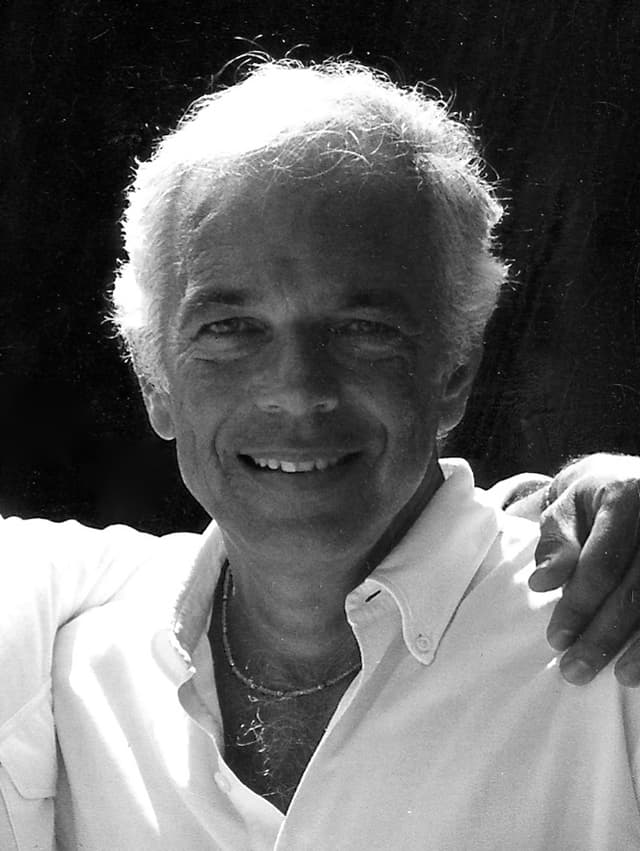
Ralph Lauren
Polo Fashions / Ralph Lauren Corporation
A visionary in the fashion industry, Ralph Lauren founded Polo Fashions in the late 1960s, transforming the landscape of American style with his iconic brand. Emphasizing the importance of storytelling, he believed that by creating products for himself first, he could resonate with others who shared his tastes and aspirations. Under his leadership, the Ralph Lauren Corporation grew into a global powerhouse, generating over $6 billion in annual revenue by the 2010s. Lauren's refusal to compromise his brand vision in favor of short-term profits has inspired countless entrepreneurs to prioritize authenticity and lifestyle over mere merchandise. His mantra, "I'm not building up your brand. I'm not building up your company. I'm building up mine," remains a guiding principle for those seeking to carve their own path in business.
Core Principles
brand
Your personal vision and aesthetic should be so strong that it becomes the brand. People buy you, not just your product.
Ralph's personal style, his eye for color and fabric, his taste in design was inseparable from the Polo brand. He designed clothes for himself first, dressed in them, and became the living embodiment of the lifestyle he was selling. This made him and his brand one and the same, which is incredibly powerful but also limiting and demanding.
“It's Ralph Lauren's name on the door, on the ads, in the store, and he intends to keep it there.”
competitive advantage
Differentiation is survival. Make yourself and your work so visibly different that people notice, even if they initially reject it.
Ralph was written up in trade papers before launching his company because of how unusually he dressed. He wore wide ties, bright colors, and preppy styles that stood out in a conservative industry. A reporter for the Daily News Record did a full-page feature on his wardrobe when he was just a salesman. This differentiation made him visible to the right people at the right time.
“If everybody was clean shaven, Ralph wore a beard. When the industry was selling skinny ties, Ralph had to wear a wide one.”
finance
You can be brilliant and creative but still go bankrupt if you don't control costs and maintain financial discipline.
Ralph's company almost collapsed in the early 1970s despite winning design awards and having massive sales. He was so focused on design and growth that he ignored manufacturing inefficiencies and cost controls. Sales grew from 3.8 million to 8 million, but the company had a $45,000 loss instead of profit. His CFO couldn't even tell if they were making or losing money. He won a Cody Award on Thursday and couldn't make payroll Friday.
Keep mountains of cash. When bills come due, only cash is legal tender. This is how you survive unpredictable crises.
Ralph's company almost failed because he had no cash reserves despite high sales. Suppliers cut off credit, factories wouldn't release merchandise, and he had to pledge his personal $100,000 savings to meet payroll. He learned the hard way that revenue and profitability don't equal liquidity. One buyer advance from Bloomingdale's was the only reason he made payroll one week.
“When bills come due, only cash is legal tender. Do not leave home without it.”
focus
Single-mindedness of purpose is more valuable than cleverness or trend-following. Stay with your vision while others jump from trend to trend.
Someone who worked with Ralph and was later fired noted: The thing that set Ralph apart was his single-mindedness of purpose. Everybody else moved from place to place, from trend to trend. He wasn't trendy. He stayed with it. This consistent focus on his lifestyle brand vision, even when it seemed risky, became his greatest competitive advantage.
“The thing that set Ralph apart was his single-mindedness of purpose. Everybody else moved from place to place, from trend to trend. He wasn't trendy. He stayed with it.”
hiring
A truly unusual talent is worth more than everything else combined. If you have that talent, protect it and build systems around it.
When Ralph almost fired his CFO Michael Bernstein, an investor observed: The truth of the matter is that the only great thing about Polo was Ralph. Everything else was terrible. And yet that's all you needed, a truly unusual, once-in-a-generation talent. This recognition led Ralph to build systems and hire people to handle operations while he focused purely on design and vision.
“The only great thing about Polo was Ralph. Everything else was terrible. And yet that's all you needed, a truly unusual, once-in-a-generation talent.”
innovation
Study the best people and products in adjacent industries, not just your own. This is where you find hidden ideas to apply to your business.
Ralph studied movies from the 1930s and 1940s for design inspiration. He spent hours in high-end menswear stores like Brooks Brothers learning how to sell to the upper-middle class. He studied how these stores sold a lifestyle and fantasy. He then applied these lessons to his own brand in a completely new way.
“I just took them straight out of movies I loved from the 1930s and 1940s. I saw them in the movies, but I didn't see them in the stores.”
leadership
Having a successful business requires you to wear two very different hats: the creative visionary and the hardnosed businessperson. Most creatives resist the business side.
Ralph learned this painfully when he discovered his company was insolvent despite massive sales. He understood there were two businesses: the design business that depended on his eye and taste, and the business business where only money counted. People don't care about your eye or feelings, only whether you have cash.
“There was the design business, the business that depended on his eye, his taste, his feelings. Then there was the business side where nobody cared about his eye, nobody cared about his taste or cared about his feelings. Only money counted.”
marketing
You don't sell clothes or products, you sell a lifestyle, an image, and an idea. The brand story is more valuable than the merchandise itself.
Ralph drew inspiration from 1930s and 1940s movies and from high-end menswear stores like Brooks Brothers that sold the fantasy of old England, gentlemanly clubs, and fine breeding. He repeated constantly: I do not sell clothes. I sell a lifestyle. I sell an image. I sell an idea. This became the foundation of his brand strategy.
“I do not sell clothes. I sell a lifestyle. I sell an image. I sell an idea.”
mindset
Mediocrity becomes visible only when passion shows up and exposes it. People threatened by your energy will often reject you.
Ralph's boss Mel at the tie company thought Ralph was wasting time talking to tailors about belt loops and pocket flaps instead of selling. Mel didn't care about design or improvement, just incremental sales of the same old product. Ralph's passion for the craft made Mel's mediocrity obvious, which is why Mel resisted so hard.
“Mediocrity is always invisible until passion shows up and exposes it.”
Being introverted and focused on work over social life doesn't limit your success. Some of the greatest builders are introverts who obsess over their craft.
Ralph was described as very introverted, not a socialite despite his high status. He said: We were not very social because I never had the time. I wanted to be with my family. His obsession with his work, not with celebrity or social status, is what built his empire. He kept family and work as his only two priorities.
“We were not very social because I never had the time. I wanted to be with my family.”
Excessive self-confidence is an essential asset when facing constant rejection. You need almost delusional levels to survive brick walls.
Ralph grew up in poverty and wrote 'millionaire' in his high school yearbook as his single ambition. Throughout his early career, mentors and colleagues told him his ideas were crazy. His boss Mel thought he was an amateur wasting time talking to tailors about belt loops instead of selling ties. Yet Ralph persisted with unshakeable confidence in his vision.
“What I had was enthusiasm. I believed in what I was saying.”
Fear of losing what you've built is a more powerful motivator than the desire for more money. This fear keeps you sharp when others would rest.
Despite being one of the richest self-made men in America by the 1980s, Ralph wasn't satisfied with money or celebrity. What motivated him was fear of losing his position. He understood how hard it was to achieve success and even more demanding how hard it was to maintain it. This is why he worked into his late 70s and never slowed down.
“What motivates him is fear. He has fought hard to get to the top. He understands better than anybody else how hard it is to achieve success, but even more demanding how hard it is to maintain it.”
product
Build products for yourself first, assuming others will want what you want if you tell the story right.
Ralph didn't design clothes based on market research or what he thought customers wanted. He designed what he wanted to wear. He would combine vintage pieces, thrift store finds, and bold colors into unique outfits. He repeated this philosophy throughout his career: I don't know what other people want, I know what I want.
“I was the consumer and I understood exclusivity.”
Build value into your product and raise prices. Don't try to compete on cost, compete on quality and desirability.
Ralph sold ties at $15 when competitors charged $3 to $4. He used handmade prints, bright colors, and exotic fabrics. He told manufacturers: Be aggressive. The customers would pay for the best when they were given the chance to buy it. This pricing strategy became foundational to his brand positioning and profitability.
“I wanted to change the prices too. Ties were then inexpensive. They were $3 or $4 each. The ties I wanted to sell started at $7.50.”
resilience
When you're in crisis, people will leave you even if they claim to be loyal. This is human nature, not personal betrayal. Expect it.
During Ralph's financial crisis in the 1970s, people he thought were close to him quit. One of his oldest friends and employees, Sal Cesari, left during the crisis and later hired away his interior decorator. Ralph was hurt but had to accept that fear makes people abandon ship. This is a recurring pattern in business history.
“Sal left me when I was choking. That killed me. I had always loved Sal. He didn't believe in me.”
When you're facing existential crisis, focus on essentials: renegotiate debt, reduce overhead, and pivot your business model. Small changes in fundamentals create massive turnarounds.
Ralph's creditor Goldberg gave him a four-point plan: license the women's wear business, find more capital, work out a deferral program on 500k owed, and renegotiate the Norman Hilton repayment terms. Ralph executed all four points. Within two years, by dramatically reducing overhead and shifting to licensing, the company went from nearly insolvent to highly profitable.
“Ralph did all of these things. And so in the next two years, they create this remarkable turnaround.”
sales
Use cold outreach relentlessly to build your brand when you have no money. Find influential people in your industry and contact them directly.
Ralph called Robert Green, the men's fashion editor at Playboy, cold. Green was initially skeptical but agreed to see Ralph's ties. He was so impressed that Playboy became the first national magazine to feature Ralph's ties. This early validation from an influential tastemaker helped Ralph build credibility and a following among influential customers.
“He was very young, says Green. He was this nervous little voice on the telephone, a voice so nervous that I immediately became sympathetic.”
strategy
The manufacturing business can destroy you through growth. Consider switching to licensing if it fits your model, where you earn royalties without capital risk.
Ralph's company was drowning in manufacturing costs, credit issues, and operational complexity. A creditor named Dave Goldberg advised him to license the women's wear business and other product categories instead of manufacturing them. This single strategic shift moved Polo from near-bankruptcy to massive profitability within two years. He went from losing money on 8 million in sales to earning millions in royalties with zero manufacturing risk.
“It almost did not matter how much money a designer made or lost producing his own collections as long as he signed enough lucrative licensing deals.”
Don't locate your business where your competitors are. Avoid areas where your differentiation gets diluted by proximity to mediocrity.
Norman Hilton wanted Ralph to move to 1296 Avenue where all the other menswear designers had showrooms. This made it easier for out-of-town buyers to shop multiple lines. Ralph refused, saying Polo stood for something unique and special. He didn't want his name on a directory with hundreds of other manufacturers. This isolation helped preserve his exclusivity.
“Polo stood for something special, something unique.”
When you know what you want, relentlessly and calmly push toward that position. Tap at the wall over and over until it falls.
Ralph wanted his own boutique shop inside Bloomingdale's department store to tell his brand story, not just have his clothes grouped in the men's department. Frank Simon, the Bloomingdale's buyer, thought this was a bad idea. Ralph kept pushing calmly and consistently, eventually telling Simon that if they didn't build him a shop, he'd go somewhere else. It was the first time a men's designer had ever received his own boutique.
“He's a good, cool negotiator, and he's consistent.”
Intransigence, a refusal to change your core vision, is a powerful competitive weapon when you understand why you're doing what you're doing.
Even as a young designer with no money, Ralph refused to compromise on price, brand name, or exclusivity. He turned away retailers that didn't match his brand image. He insisted on high prices and quality when everyone told him it was impossible. This stubborn consistency became his strategic advantage.
“I didn't think they were the right image for me. They didn't have the customers I wanted to sell to. It would kill the exclusivity.”
Refuse to build someone else's brand, even when desperate. Protect your own name and vision above short-term revenue.
When Bloomingdale's offered to buy Ralph's ties with a lucrative order, they demanded he remove his label and use theirs instead. Despite being broke, recently married, and living on a mattress on the floor, Ralph packed up his ties and walked away. He understood that his brand name was his only real asset and would not compromise it for an immediate payout.
“I'm not building up your brand. I'm not building up your company. I'm building up mine.”
Frameworks
Lifestyle Branding Framework
Build a brand around a complete lifestyle and aesthetic rather than individual products. The brand sells the dream and story, not just the merchandise. Create a consistent visual and cultural identity across multiple product categories (clothes, accessories, homes, cars) that all reinforce the same lifestyle narrative. Make the brand founder the embodiment of this lifestyle so that the person and the brand become inseparable.
Use case: Creating premium brands where customers buy into an aspirational lifestyle, not just functional products. Useful for luxury brands, fashion, and consumer goods where emotional connection matters more than utility.
Exclusivity-Through-Selection Framework
Maintain brand exclusivity by carefully selecting which retailers and distributors can carry your product. Turn away volume opportunities from retailers that don't match your brand image. Use scarcity and selective distribution to create desire and protect premium pricing. This requires saying no to money, which is why it's only possible with strong conviction.
Use case: Building luxury or high-end brands where distribution strategy is as important as product quality. Works when the founder has deep conviction about brand identity and is willing to sacrifice short-term revenue for long-term positioning.
Turnaround Through Business Model Pivot
When a business model is destroying you despite strong product demand, pivot to a fundamentally different model. Ralph moved from manufacturing (high capital, low margins, operational risk) to licensing (high margins, zero capital, minimal risk). This isn't just cost-cutting, it's reimagining how value is created and captured. Execute four key changes: license unprofitable divisions, find additional capital, negotiate debt restructuring, and simplify operations.
Use case: When a business is growing sales but burning cash due to operational inefficiency or wrong business model. Works especially well for product-based or creative businesses that can shift to licensing, franchising, or asset-light models.
The Cold Outreach Strategy
When you have no budget for advertising or distribution, build relationships with influential taste-makers and media directly. Use cold calls or cold outreach to reach editors, influencers, and gatekeepers in your industry. Focus on people who have the power to validate your work to large audiences (magazine editors, respected retailers, industry leaders). A single validation from an influential person can change trajectory.
Use case: For bootstrap founders in creative industries (fashion, design, media, music) who need credibility and visibility but have no marketing budget. Works when you have a genuinely differentiated product or vision worth people's attention.
Stories
Ralph's father Frank was an immigrant house painter and muralist who dreamed of becoming another Picasso. Frank had his feet on the ground due to family responsibilities but always wanted to soar into the heavens. He changed his name from Liftschitz to Lauren, hoping it might help him as an artist. Ralph's task became to realize his father's unfulfilled dream of artistic greatness.
Lesson: Children often inherit their parents' unfulfilled ambitions and use their own success to complete the parent's unrealized dreams. Understanding your family narrative helps explain your deepest motivations as an entrepreneur.
When Bloomingdale's offered to order Ralph's ties with a generous volume commitment, they demanded he remove his own label and put theirs instead. Ralph was broke, recently married, living on a mattress on the floor with an L train running above his head. Everyone would have told him to take the deal. He packed up his ties and walked out instead.
Lesson: Your brand name is your most valuable asset when you have nothing else. Protecting it when you're desperate reveals your actual priorities and builds the foundation for long-term success. Easy decisions are easy, hard decisions reveal character.
Ralph's boss Mel at the tie company thought Ralph was an amateur. When Ralph wanted to design wider ties, Mel said they looked absurd, like wearing a bib to work. Ralph kept pushing. Eventually Mel said enough, just do it, leave me alone. This gentle but persistent pressure eventually wore down resistance.
Lesson: Consistency and persistent, calm pressure works better than aggression. If you keep tapping the wall over and over, it eventually falls. People capitulate not because you convinced them, but because resisting you becomes more exhausting than giving in.
Ralph won the Cody Award for menswear design on Thursday night, one of fashion's most prestigious honors. The next day, Friday, he couldn't make payroll. He had to leave his office, go home, change clothes, have lunch with the president of Bloomingdale's, and ask for an advance on fall merchandise just to cover his employees' salaries. Bloomingdale's granted the advance and he made payroll.
Lesson: Revenue and awards mean nothing without cash management. You can be brilliant and winning industry recognition while simultaneously being weeks away from insolvency. This is why watching costs and maintaining financial discipline is non-negotiable.
Ralph was so focused on design and growth that he lost track of manufacturing costs and operational efficiency. Sales grew from 3.8 million to 8 million, but instead of a profit, the company had a $45,000 loss. His CFO Michael Bernstein, who was supposed to be managing finances, couldn't even tell if they were making or losing money. Ralph had to fire his best friend.
Lesson: You can be brilliant creatively but still bankrupt the company through operational neglect. A designer can't ignore the business side of the business. Growing revenue without watching costs is the fastest path to insolvency.
One of Ralph's oldest employees and close friends, Sal Cesari, left during the financial crisis when Ralph was struggling. A year later, Sal called Ralph's interior decorator, Tom, and hired him away to his new showroom. Ralph felt completely betrayed. He said it killed him because he had always loved Sal and thought Sal believed in him.
Lesson: Fear makes people abandon ship, even people you thought were completely loyal. This isn't personal betrayal, it's human nature. During crisis, expect your inner circle to leave. Understanding this keeps you from being destroyed by it emotionally.
Ralph called Robert Green, the men's fashion editor at Playboy magazine, cold. Green was initially skeptical but agreed to see his ties. When Green saw Ralph's work, he went berserk and said something important was happening here. Playboy became the first national magazine to feature Ralph's ties, which gave him credibility and visibility among influential customers.
Lesson: Cold outreach to influential taste-makers can change your trajectory. Find the person with the megaphone in your industry and get them to see your work. One validation from the right person is worth more than a thousand regular customer sales.
Ralph refused to move his offices to 1296 Avenue where all the other menswear designers had showrooms. This location made it convenient for out-of-town buyers to shop multiple lines by walking into one building. Ralph said Polo stood for something special and unique, and he didn't want his name on a directory with hundreds of other manufacturers.
Lesson: Physical proximity to competitors dilutes your differentiation. Avoid clustering where mediocre competitors are, even if it's convenient for distribution. Sometimes isolation preserves your brand more than convenience serves sales.
Notable Quotes
“I'm not building up your brand. I'm not building up your company. I'm building up mine.”
When Bloomingdale's demanded he remove his label and use theirs on a major order, despite Ralph being broke and desperate for the sale.
“I do not sell clothes. I sell a lifestyle. I sell an image. I sell an idea.”
Describing his core business philosophy and differentiating himself from other apparel manufacturers.
“I was the consumer and I understood exclusivity.”
Explaining why he turned away retailers like Wallach's that didn't match his brand image, even though they would have increased sales.
“What I had was enthusiasm. I believed in what I was saying.”
Reflecting on what kept him going when others told him his ideas were naive and he would never succeed.
“I didn't think they were the right image for me. They didn't have the customers I wanted to sell to. It would kill the exclusivity.”
Explaining why he turned down Wallach's, one of the fastest growing men's specialty store chains.
“The thing that set Ralph apart was his single-mindedness of purpose. Everybody else moved from place to place, from trend to trend. He wasn't trendy. He stayed with it.”
Assessing Ralph's most important competitive advantage after working with him.
“What motivates him is fear. He has fought hard to get to the top. He understands better than anybody else how hard it is to achieve success, but even more demanding how hard it is to maintain it.”
Analyzing what drives Ralph to continue working in his late 70s despite massive wealth.
“I wanted to change the prices too. Ties were then inexpensive. They were $3 or $4 each. The ties I wanted to sell started at $7.50.”
Describing his pricing strategy that was 4-5x higher than competitors while quality justified it.
“Sal left me when I was choking. That killed me. I had always loved Sal. He didn't believe in me.”
Reflecting on the pain of employees leaving during the company's financial crisis.
“It's torture being a partner to somebody you don't want to be a partner with.”
Explaining to Norman Hilton why he needed to buy him out, showing the personal toll of unwanted partnerships.
Frequently Asked Questions
What are Ralph Lauren's key business principles?▼
Ralph Lauren's core principles include: Your personal vision and aesthetic should be so strong that it becomes the brand. People buy you, not just your product.. Differentiation is survival. Make yourself and your work so visibly different that people notice, even if they initially reject it.. You can be brilliant and creative but still go bankrupt if you don't control costs and maintain financial discipline.. Founder Almanac has cataloged 23 total principles from Ralph's career.
What can entrepreneurs learn from Ralph Lauren?▼
Key lessons from Ralph Lauren include: Children often inherit their parents' unfulfilled ambitions and use their own success to complete the parent's unrealized dreams. Understanding your family narrative helps explain your deepest motivations as an entrepreneur.. Explore 8 stories and 4 frameworks from Ralph's experience.
What is Ralph Lauren known for in business?▼
A visionary in the fashion industry, Ralph Lauren founded Polo Fashions in the late 1960s, transforming the landscape of American style with his iconic brand. Emphasizing the importance of storytelling, he believed that by creating products for himself first, he could resonate with others who shared his tastes and aspirations. Under his leadership, the Ralph Lauren Corporation grew into a global powerhouse, generating over $6 billion in annual revenue by the 2010s. Lauren's refusal to compromise his brand vision in favor of short-term profits has inspired countless entrepreneurs to prioritize authenticity and lifestyle over mere merchandise. His mantra, "I'm not building up your brand. I'm not building up your company. I'm building up mine," remains a guiding principle for those seeking to carve their own path in business.
More Fashion & Luxury Founders
Want Ralph's advice on your business?
Our AI has studied Ralph Lauren's biography, principles, and decision-making frameworks. Ask any business question.
Start a conversation